Updated: November 23, 2025
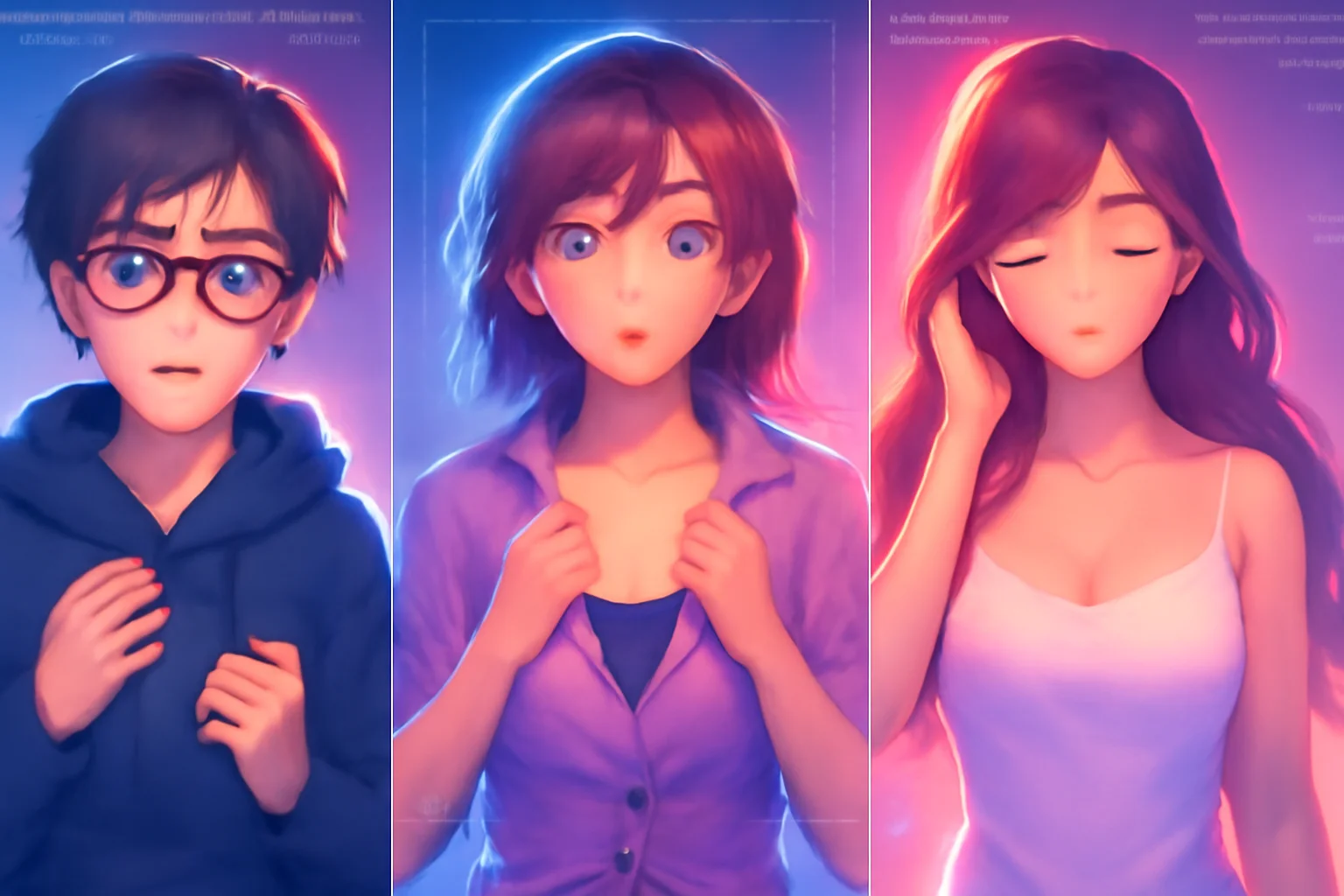
If you’ve ever typed TG caption anime into Google and landed in a maze of anime TG captions, gender transformation stories, and half-tagged DeviantArt galleries, you’ve already seen how niche this world is. Instead of full-length shows, you’ll find transformation captions laid over anime-style artwork—short TG TF stories about sudden change, Transgender woman, TG scenarios, and gender swap art that look like screenshots from a private transformation fandom.
This guide breaks down what TG caption anime actually is: how it grew out of anime gender-bender culture, online caption communities, and fan-made anime art, where it lives today (think TG caption DeviantArt collections and small TG TF communities), and how to approach it safely. We’ll cover fantasy transgender-themed plots, visual style, platforms, and the line between imaginative anime transformation stories and real-world identity.
Quick Answer
TG caption anime usually refers to fan-made, anime-style images where a short gender-transformation story is written directly on or below the picture. It’s not an official anime genre or Tokyo Ghoul spin-off, but a niche fandom format that combines gender-swap fiction, anime aesthetics, and captioned storytelling—often shared on sites like DeviantArt and other transformation communities.
Table of Contents
- TG Caption Anime: What It Actually Means
- How TG Caption Anime Grew Out Of Anime And Transformation Fandoms
- Core Themes In TG Caption Anime: Magic, Identity And Change
- Visual Style: Anime Aesthetics, Layouts And Caption Formats
- TG Caption Anime Versus Gender-Bender Anime And Mainstream Anime
- Where TG Caption Anime Lives Online (DeviantArt, Niche Sites, Communities)
- TG, Telegram And Terminology Confusion: Clearing Up The Acronyms
- Who Creates TG Caption Anime: Writers, Artists And Niche Communities
- Common Story Tropes: From Transgender Woman Transformations To Full Alternate Lives
- Reading TG Caption Anime Safely: Age Ratings, Boundaries And Triggers
- How To Start Creating Your Own TG Caption Anime (SFW-Friendly Approach)
- Writing Strong TG Captions: Character, Emotion And Transformation Arcs
- Images, AI Art And Copyright Risks In TG Caption Anime
- Gender Identity, Fantasy And Respectful Representation
- Using TG Anime Vibes For Regular Instagram And Telegram Captions
- FAQs About TG Caption Anime
TL;DR
• TG caption anime is fan-made gender-transformation storytelling with anime-style art and written captions.
• It came from anime fandom, gender-swap fiction, and online transformation communities.
• Many captions are adult-oriented, so reading safely means checking age, tone, and tags.
• You can create SFW TG caption-style content using original or licensed art and careful wording.
• Respectful representation and clear separation of fantasy vs real trans experiences are crucial.
TG Caption Anime: What It Actually Means
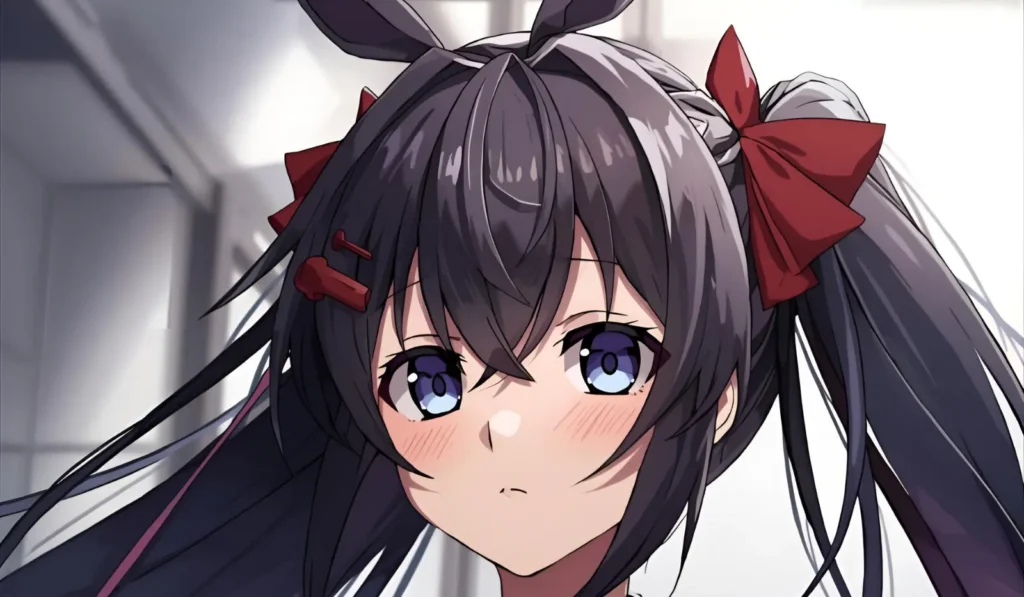
TG caption anime isn’t a single show, studio, or official genre. It’s a fan format: a piece of anime-style art combined with a caption that tells a short story about someone changing gender, body, or life situation.
Instead of scrolling a full comic, you’re reading a mini story written right on the image or in the description. The “TG” usually stands for “gender transformation,” sometimes “transgender,” but in this context it almost always points to fictional change, not a clinical description or real-life guide.
• Most pieces are standalone: one image, one transformation, one emotional punch.
• Some creators post multi-part series where a character changes slowly across several images.
• Captions range from a few lines of text to long paragraphs that fill the whole frame.
• The tone can be light and magical, dramatic and emotional, or clearly adult-themed.
• The “anime” part usually refers to big eyes, stylized hair, and dynamic poses.
• Many works are tagged with “TG,” “TF,” “Transgender woman,” “Transgender man,” or “gender transformation.”
• A lot of this content lives in personal galleries, not mainstream streaming platforms.
• Tags and descriptions are important to understand whether a piece is SFW or adult.
• Some fans treat TG caption anime as a fantasy sandbox, not as a guide to real gender identity.
• Others use it to explore feelings about gender in a low-stakes, fictional way.
• Because of that mix, this niche sparks both strong enjoyment and serious criticism.
• Understanding the basics helps you decide whether and how you want to engage with it.
How TG Caption Anime Grew Out Of Anime And Transformation Fandoms
This niche didn’t appear out of nowhere; it’s a crossover between anime fandom and older transformation fiction communities.
Anime already plays with identity, alternate worlds, and dramatic character arcs. Online forums and art sites let people remix those ideas into short, personalized stories—and adding text captions to images turned out to be an easy way to share them.
• Early transformation stories lived on forums and text-only websites.
• Fans later started pairing those stories with illustrations for more impact.
• Anime’s global growth made anime-style art an obvious visual language to use.
• DeviantArt and similar platforms gave creators simple tools to upload image+text.
• TG and TF tags made it easy for fans to find gender-change or body-change pieces.
• Short captions were more shareable than long fiction on some social platforms.
• Over time, “TG caption anime” became a shorthand for this specific hybrid style.
• As streaming boosted anime overall, more fans discovered related fanworks.
• New artists and writers joined after seeing TG captions in recommendation feeds.
• Some caption creators are also fanfic writers or fan artists in other fandoms.
• Others focus only on TG captions and treat it as their main creative outlet.
• The result is a niche but very active subculture inside the wider anime ecosystem.
Core Themes In TG Caption Anime: Magic, Identity And Change
Most TG caption anime content turns on a simple question: “What if I suddenly changed?” The answer can be goofy, romantic, terrifying, or deeply emotional.
Because the format is short, creators lean on recognizable themes so readers instantly understand what’s happening.
• Magical items: rings, potions, cursed clothes, or apps that trigger change.
• Deals gone wrong: wishes, pacts, or experiments with unintended consequences.
• Body swap scenarios: trading lives with another character, willingly or not.
• Alternate timelines: waking up in a life where you’ve “always” been different.
• Social pressure: characters forced to play a new role by family, school, or boss.
• Roleplay gone real: cosplay, VR, or games that turn into actual transformation.
• Romantic twists: discovering attraction in a new body or social role.
• Identity confusion: characters struggling with their sense of self after change.
• Power and vulnerability: gaining beauty or status while losing control or choice.
• Comedy: embarrassing situations, wardrobe mishaps, and over-the-top reactions.
• Horror: darker pieces that treat transformation as nightmare, not wish fulfillment.
• Wish fulfillment: fantasies centered on feeling seen, pretty, or finally “right.”
• Regret vs acceptance: characters resisting change, then slowly embracing it.
• Social commentary: rare but present—critiques of gender expectations and norms.
• Emotional release: for some readers, a way to process complicated feelings safely.
Visual Style: Anime Aesthetics, Layouts And Caption Formats
Visually, TG caption anime borrows from mainstream anime: expressive eyes, dramatic poses, colorful hair, and stylized clothing. But the layout is more like a poster than a manga page.
Text is usually placed beside or around the character, sometimes in boxes or speech bubbles, sometimes simply overlaying the art.
• Many captions use a single, large character image as the focal point.
• Eyes and facial expressions carry a lot of the emotional weight.
• Backgrounds are often simple or blurred to keep focus on the figure and text.
• Text may be in one column or wrapped along the sides of the image.
• Fonts range from plain readable ones to stylized handwriting-style choices.
• Some creators color dialogue differently from narration for clarity.
• Others put the “before” situation in smaller text, “after” in larger text.
• A few layouts mimic manga panels but keep the caption feel, not full comics.
• Color schemes often match the mood—soft pastels for gentle stories, bright neons for wild ones.
• Some artists reuse base models or 3D renders to keep a consistent look.
• Others collage stock images, custom art, and digital painting in one frame.
• AI-generated art is increasingly used but can raise ethical and copyright questions.
• At their best, visuals and words feel fused—neither works as well alone.
• That fusion is what makes TG caption anime feel different from plain text fanfic.
TG Caption Anime Versus Gender-Bender Anime And Mainstream Anime
It’s easy to confuse TG caption anime with gender-bender anime or any show that plays with transformation. But they’re not the same thing.
Gender-bender anime are full series or films produced by studios; TG caption anime is fan-made content that borrows the look and themes but lives mostly on art sites and personal pages.
• Mainstream anime is professionally produced and released via TV, theaters, or streaming.
• TG caption anime is user-generated; there’s no central studio or official catalog.
• Gender-bender anime often mix comedy and drama over multiple episodes.
• TG captions usually compress the whole arc into a single mini story.
• Anime has ratings and broadcast standards; TG captions may not be clearly labeled.
• Some gender-bender shows are light and PG; many TG captions skew older.
• Anime tends to explore multiple characters and subplots.
• TG caption anime centers on one transformation and its emotional impact.
• Official anime goes through editors and producers; TG captions are mostly self-published.
• Anime uses animation techniques like camera pans and motion; captions freeze one key moment.
• Legally, anime is protected IP; TG captions sometimes remix it in risky ways.
• Understanding the difference helps you search and filter content more accurately.
Where TG Caption Anime Lives Online (DeviantArt, Niche Sites, Communities)
Because TG caption anime is user-generated, it clusters on sites that welcome fan art and niche fiction instead of mainstream streaming platforms.
• DeviantArt is one of the largest hubs, with whole folders labeled “TG caption anime” and “Anime TG Caption.”
• Some creators host their full galleries on smaller TG/TF-focused sites with community tools.
• Transformation-themed forums, wikis, and blogs sometimes repost or embed captions.
• Pinterest boards collect gender transformation art and link back to original creators.
• A handful of Discord servers exist specifically for TG captions and transformation content.
• Some users cross-post still images to Twitter/X, Bluesky, or Mastodon.
• A few creators also run Patreon or similar pages for supporters.
• Webnovel-style Q&A pages show that people search for TG caption anime even outside art sites.
• Instagram and TikTok are used more for edits or “caption inspired” reels than the original images.
• Some communities keep SFW and NSFW sections clearly separated, others don’t.
• Each platform has its own rules about adult content, harassment, and tagging.
• Reading community guidelines before diving in is always a smart move.
• When in doubt, it’s better to search via the platform’s internal tags than random external links.
TG, Telegram And Terminology Confusion: Clearing Up The Acronyms
Another headache: TG can mean different things in different contexts. That’s why “TG caption anime” often gets mixed up in search results.
• In transformation fandoms, TG usually means “gender transformation.”
• In broader online slang, TG can sometimes be shorthand for “transgender.”
• In messaging, people use “TG” as a quick way to say “Telegram.”
• So “TG caption anime” might be misread as “Telegram caption for anime posts.”
• Wikipedia pages for Telegram and anime are separate; neither is about TG captions.
• Some guides teach how to write anime captions on Telegram, which is unrelated.
• When you search, look at context: is the page discussing messaging apps or gender change stories?
• If the content is about channels, bots, and chat groups, it’s likely Telegram.
• If it mentions transformation, DeviantArt, or TF/TG tags, it’s about gender-change captions.
• Adding the words “DeviantArt” or “gender transformation” to your search usually clarifies.
• For your own posts, spelling out “gender-transformation caption” avoids confusion completely.
Who Creates TG Caption Anime: Writers, Artists And Niche Communities
Behind every caption is a person—or a small team—doing a very specific kind of storytelling.
• Some creators are primarily writers who use public or commissioned art as a backdrop.
• Others are illustrators who add text to their own anime-style drawings.
• A few collaborate: one draws, one writes, and they credit each other.
• Many use pseudonyms and separate accounts for TG caption work.
• Creators may identify as cis, trans, nonbinary, or prefer not to say at all.
• Motivations range from “cool fantasy story” to “exploring my own feelings.”
• Some treat it as a hobby; others accept donations or paid requests.
• Comment sections and DMs can turn into mini communities around certain artists.
• A few creators set clear boundaries: no minors, no harassment, no reposts.
• Others are less explicit, which can cause confusion or misuse of their work.
• Fan feedback—likes, comments, shares—often shapes future caption themes.
• Healthy communities encourage consent, tagging, and respect for real trans people as well.
Common Story Tropes: From Transgender woman Transformations To Full Alternate Lives
Because the format is short, TG caption anime often leans on repeatable tropes that readers instantly recognize.
• Transgender woman transformations are especially common: guy-to-girl scenarios in many variations.
• Transgender man or nonbinary-leaning stories exist but are less visible in most galleries.
• “Waking up changed” is a classic one-panel premise.
• “Put on this outfit and you’ll change” appears in many magical clothing captions.
• Technology-based transformations use apps, VR, games, or experimental devices.
• Role swaps put characters into girlfriend, idol, princess, or schoolgirl roles.
• Time-rewind plots rewrite a character’s whole past into a different gender.
• “You wanted this secretly” is often used as a twist or reveal.
• Some captions end with acceptance and happiness in the new form.
• Others focus on conflict, discomfort, or mixed feelings.
• A few challenge the fantasy by showing real-world consequences.
• Long-form series can track relationships, careers, or family life after transformation.
• There’s a spectrum from harmlessly playful to extremely adult or fetish-focused.
• Knowing which tropes you’re comfortable with helps you navigate the niche more safely.
Reading TG Caption Anime Safely: Age Ratings, Boundaries And Triggers
Because much of this content is user-generated, you can’t assume it’s safe for all ages—or for all headspaces.
• Many TG caption galleries are explicitly marked 18+ or adult-only.
• When a site or artist sets an age gate, respecting it is non-negotiable.
• Even SFW-looking art may carry themes like coercion, humiliation, or explicit fetish.
• Take tags seriously: they often hint at whether content is lighthearted or intense.
• If you’re a parent or educator, this niche is generally not for kids or students.
• People questioning their own gender may find some captions affirming, others upsetting.
• If a piece makes you feel distressed, it’s okay to close it and step away.
• Don’t share adult-themed content into general or youth-focused spaces.
• Avoid sending TG captions to someone who didn’t ask or consent.
• Refrain from using real people’s photos in transformation captions without permission.
• If a community doesn’t allow certain themes, follow its rules or leave.
• Remember that you can mute, block, or filter tags on many platforms.
• Treat your mental health as more important than finishing a story or collection.
How To Start Creating Your Own TG Caption Anime (SFW-Friendly Approach)
If you like the format but want to keep things cleaner and more broadly shareable, you can absolutely make SFW TG caption-style content.
• Start with a clear story idea: who changes, how, and what it means.
• Decide whether your tone is playful, introspective, or slightly spooky.
• Use anime-style art that you drew, commissioned, or have rights to use.
• If you use stock art, check the license and any transformation rules.
• Keep clothing, poses, and facial expressions within your comfort level.
• Write the caption first, then fit it around the image in layout.
• Focus on feelings—confusion, joy, surprise—more than body details.
• Make sure your font is readable on mobile screens.
• Consider starting with shorter text and expanding later if readers want more.
• Add a simple content note if the topic might be intense for some viewers.
• Tag your work honestly so people can find or avoid it as needed.
• Respect requests from platforms and community mods about what you post.
• If you ever feel unsure about a theme, step back and reconsider your angle.
Writing Strong TG Captions: Character, Emotion And Transformation Arcs
Good TG caption anime isn’t just about the twist; it’s about making the character feel real for a moment.
• Give the character a hint of life before the change—job, hobby, fear, or crush.
• Show why the transformation matters emotionally, not just physically.
• Use a clear narrative voice: first-person diary, second-person POV, or storyteller.
• Avoid long walls of text—break thoughts into short, readable chunks.
• Give the transformation a cause, even if it’s silly or magical.
• Add small sensory details: how clothes feel, how a voice sounds, how people react.
• Let the character have a reaction arc: shock, denial, curiosity, acceptance, or rejection.
• Don’t rely only on clichés; twist them a little so your caption feels fresh.
• Consider end notes that pull back from the fantasy, if your audience appreciates it.
• Keep your language respectful, especially when referencing real-world identities.
• Let readers feel invited in, not attacked or mocked.
• Re-read aloud to catch awkward phrasing or harsh tones.
• Ask trusted friends or beta readers for feedback before posting.
• Be open to learning if community members point out problems in your writing.
Images, AI Art And Copyright Risks In TG Caption Anime
Because TG caption anime often reuses existing art, there’s a real copyright and ethics layer creators should take seriously.
• Using art from a commercial anime without permission is usually risky.
• Cropping, filtering, or captioning doesn’t automatically make it fair use.
• Many artists on DeviantArt or other sites do not want their work repurposed.
• Some creators provide base images or templates specifically for captions.
• Commissioned art is safer, as you can agree on caption use upfront.
• Stock image sites sometimes allow transformation or fantasy use; read the fine print.
• AI art tools can generate anime-style images but raise questions of training data.
• Be transparent with your audience if you use AI-generated images.
• Never remove another artist’s watermark or signature to claim the art.
• When in doubt, link back to the original illustrator and credit clearly.
• If someone asks you to take down a caption using their art, doing so is the right move.
• Treat other creators the way you’d want your own work treated.
Gender Identity, Fantasy And Respectful Representation
TG caption anime sits on a delicate line between fantasy and real experiences of gender. Handling that line with respect matters.
• For some people, these stories are pure fantasy with no personal identity link.
• For others, they’re a way to imagine feeling more at home in their body.
• Real trans people deal with medical, social, and legal challenges captions don’t show.
• Fetish-focused content can feel dehumanizing or hurtful if it mocks or trivializes them.
• Writing and reading with empathy helps keep the niche more welcoming.
• Avoid equating “forced” transformations with real-life transitions.
• Be careful with stereotypes about femininity, masculinity, or certain body types.
• Listen when trans or nonbinary readers say something feels off or disrespectful.
• Clarify in your notes that you’re telling fantasy, not giving advice about real lives.
• Remember that representation isn’t just about inclusion—it’s about how people are portrayed.
• If you’re exploring your own feelings, consider journaling privately alongside public posts.
• Growth is allowed: you can adjust your themes as you learn more.
Using TG Anime Vibes For Regular Instagram And Telegram Captions
Not everyone wants to dive into full TG caption anime, but the style can inspire how you caption regular anime posts on social media.
• Borrow the idea of telling a mini story in one or two sentences.
• Use anime-style language about arcs, glow-ups, and main-character moments.
• Keep Instagram captions short and emotional, with clear feelings or hooks.
• On Telegram channels, summarize key facts about an anime in casual language.
• You can reference transformation themes without including explicit content.
• Lean into aesthetic words—soft, neon, dreamy, cinematic—when describing edits.
• Use emojis lightly to match the mood, not overload the line.
• Link to official sources if you’re summarizing plot or history.
• Always avoid copy-pasting long chunks from Wikipedia or wikis.
• Instead, rewrite in your own words and add one fun detail or question.
• Ask followers how they interpret a transformation or character change.
• That way you bring the “caption storytelling” energy into safer, broader-audience posts.
FAQs: About TG Caption Anime
What does “TG” mean in TG caption anime?
In this context, TG almost always stands for “gender transformation.” A TG caption anime image is an anime-style drawing or render paired with a short story about someone changing gender, body, or life role. It’s different from TG used as shorthand for Telegram or from real-life medical discussions about being transgender.
Is TG caption anime the same as a gender-bender anime series?
No. Gender-bender anime are full, officially produced shows or movies released by studios, while TG caption anime is a fan format—usually one image plus a caption. They may touch similar themes, but one is professional long-form media and the other is user-generated micro-fiction.
Where can I find TG caption anime content?
Most TG caption anime lives on art and transformation-focused sites like DeviantArt, smaller TG/TF caption websites, Pinterest boards that collect gender-swap art, and some Discord servers. Always check age warnings and community rules first, because a lot of content is meant only for adults.
Is TG caption anime appropriate for teenagers or kids?
Generally, no. While a few pieces are relatively mild, much TG caption anime leans toward adult themes, intense fantasies, or explicit focus on bodies. If you’re underage—or choosing content for younger viewers—it’s better to stick with age-rated anime series and clearly labeled all-ages fan art instead of TG captions.
How is TG caption anime different from real trans experiences?
TG caption anime is usually fast, magical, and reversible; it compresses transformation into a dramatic fantasy moment. Real trans experiences involve long-term feelings, social dynamics, and often medical or legal steps. While some people may use these stories to explore emotions, they are not a guide to real-world transition and shouldn’t replace listening to trans people about their lives.
Can I create TG caption anime without using other people’s art?
Yes. You can draw your own anime-style characters, commission art from illustrators who agree to caption use, or work with licensed stock and AI images where permitted. Whatever you choose, be upfront about your sources, follow platform rules, and respect any takedown requests from artists.
What if I only want the storytelling style without any explicit content?
You can absolutely borrow the TG caption format—short, intense, character-driven captions over anime-style art—and keep everything SFW. Focus on emotional change, role shifts, or metaphorical “transformations” like confidence or career glow-ups, and your work can reach a much wider audience.
Conclusion
TG caption anime is a niche intersection of anime aesthetics, gender-transformation fantasy, and image-based storytelling. When you understand that it’s fan-made, not an official anime category, it becomes easier to decide how you want to interact with it—whether that means simply knowing what the term means, browsing a few galleries, or experimenting with your own SFW captions.
If you choose to explore or create TG caption anime, do it with awareness: respect age limits, credit artists, stay honest about where fantasy ends, and treat real trans people and their experiences with care. That way the creative “what if I changed?” energy that draws people to this niche can stay imaginative, ethical, and easier to live with—for you and for everyone else watching.

Olivia is a creative voice at Captioniy.com. She blends modern style with expressive writing to deliver Instagram captions that feel trendy and unique.